Inspection Services
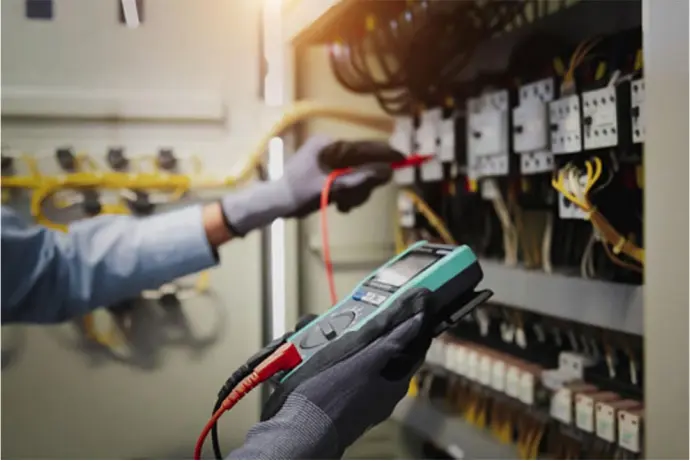
What is an Electrical inspection, and when do you need one?
- An Electrical Inspection is the process of an electrical inspector from the Government Electrical Inspectorate (GEI) visiting your property and carrying out tests and checks on your electrical wiring to verify conformity to the electrical safety standards and codes of the Cooperative Republic of Guyana (CRG).
- An Electrical inspection is a must whenever you’re building, buying, selling, renovating a building/ facility, or if it has been disconnected from the electrical utility company for more than six (6) months, and you want to reconnect.
Electrical Inspections Requirements: Process & Schedule
Electrical inspections are essential for ensuring safety and compliance with electrical codes. Here are the key requirements and processes involved in conducting an electrical inspection:
- Schedule: Electrical Inspections are typically recommended every three years for business places and every ten years for homes. For rental properties, it is recommended that every time there is a change of tenancy.
- Scope: The inspection covers various aspects, including the main electrical panel, circuit breakers, grounding and bonding, wiring connections,
insulation, and appliances.
- Checklists: Comprehensive checklists are available to help inspectors track the numerous aspects of an electrical installation for NEC® compliance.
- Professional Conduct: Inspections should be conducted by qualified professionals to ensure accurate and safe assessments.
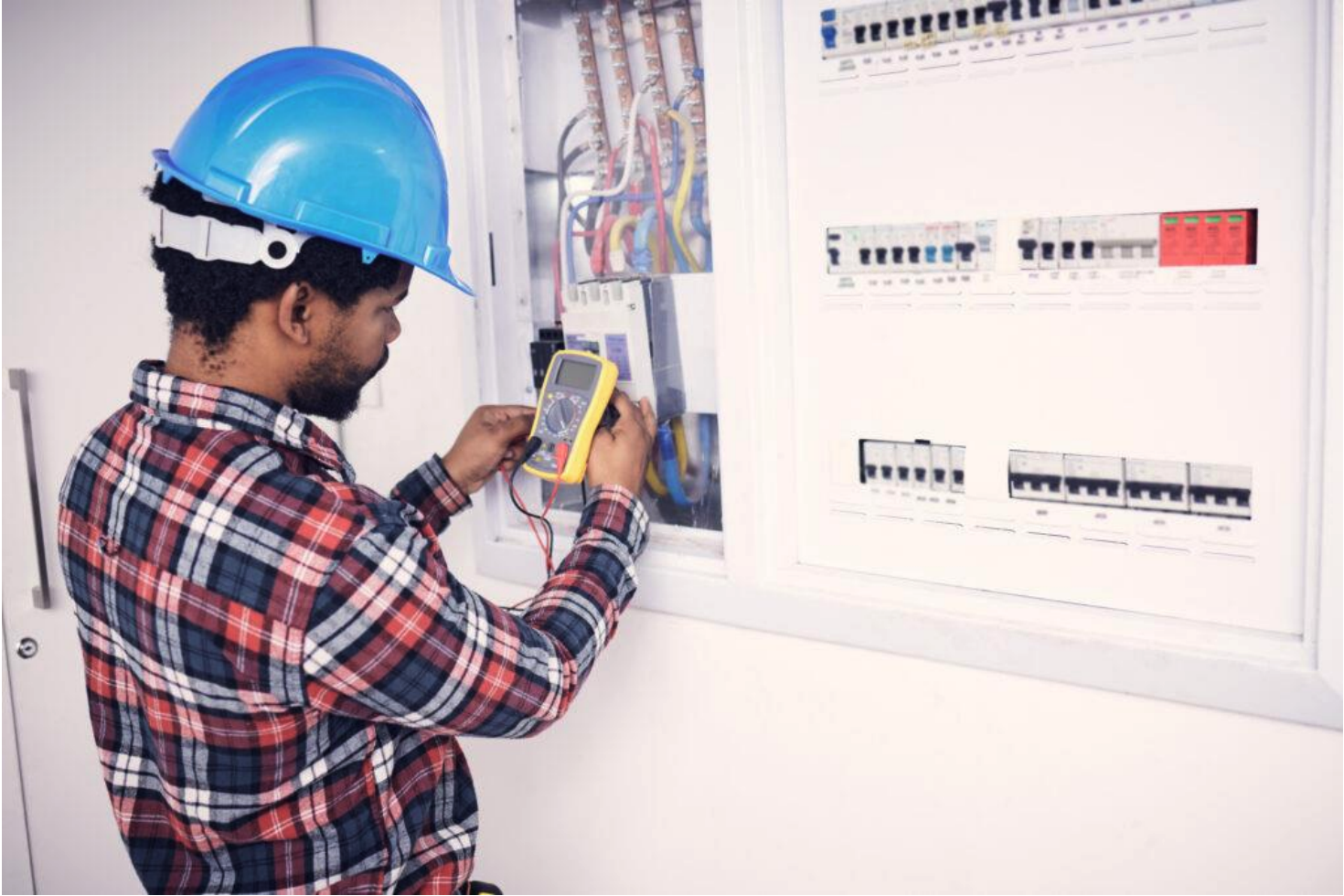 Regular inspections not only prevent potential hazards but also save money by identifying and fixing issues before they escalate into costly repairs.
Temporary
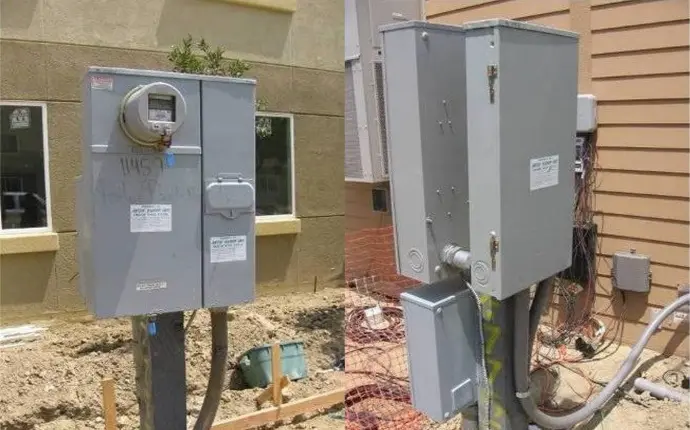
When do you need temporary power?
- Construction/Demolition or renovation: For the duration of the work. (Renewed at the end of 90 days and can be renewed for as many as four times, which gives a total time of one year)
- Holiday/Decorative Lighting: For Christmas tree light-ups and Diwali outdoor events. Not to exceed 90 days.
- Outdoor Events: Concerts, Fairs, Exhibitions, Church crusades, Ramadan Villages, Weddings, May Pole, etc. (Not to exceed 90 days.)
- Emergencies/Tests: For the duration of the specific event or experiment.
Time Constraints (NEC 590.3)
A "Temporary” in order to be compliant with NEC Article 590 has strict expiration dates. It is not a permanent solution for missing infrastructure.
Removal: All temporary wiring must be removed immediately upon completion of its purpose.
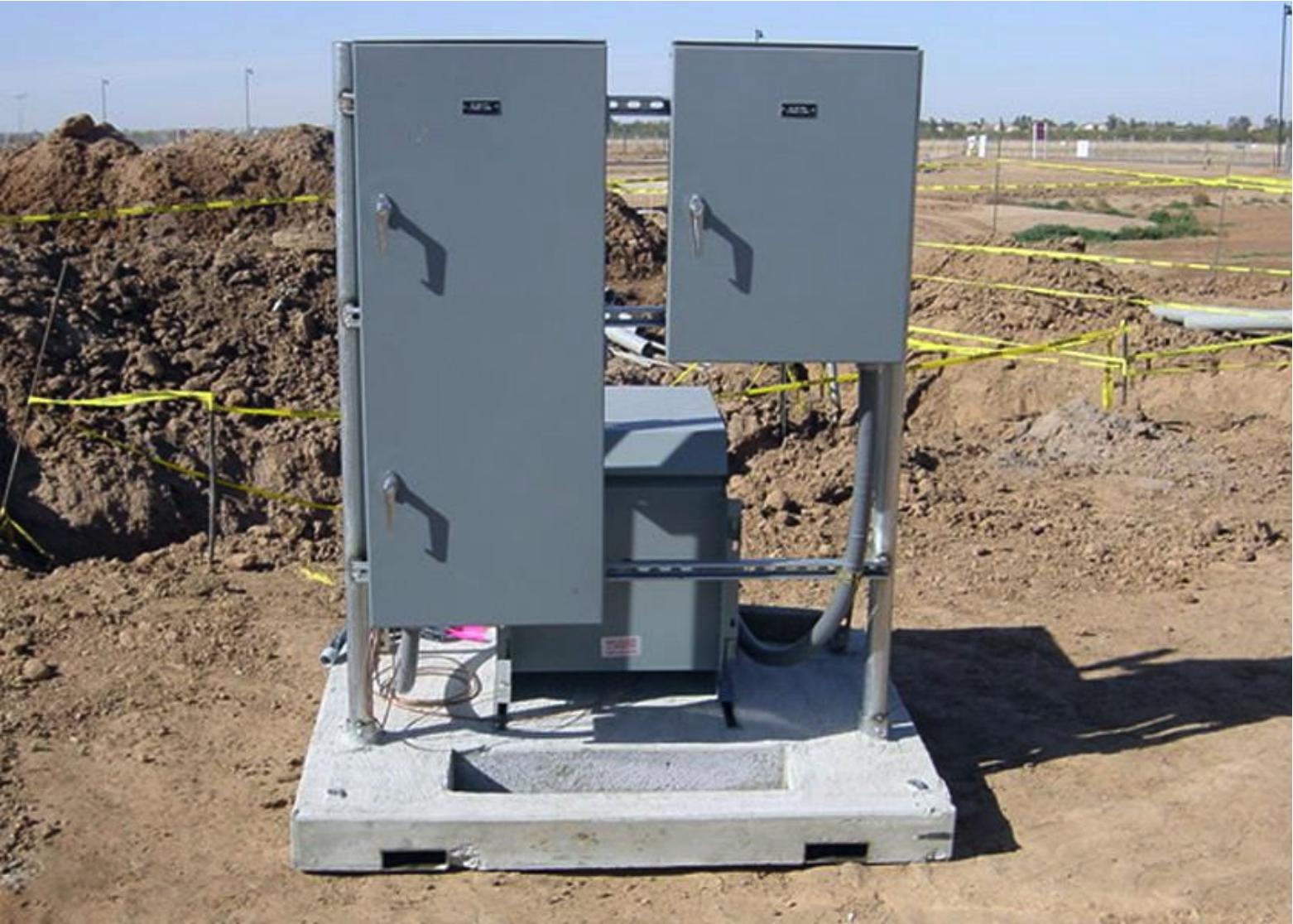
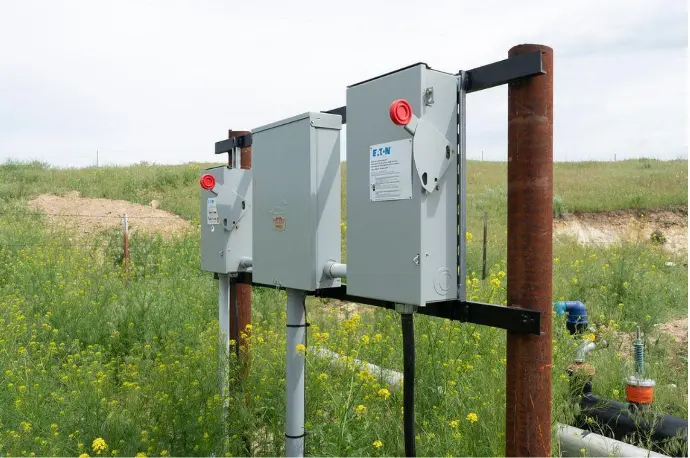
Wiring Methods (NEC 590.4)
1. Types of Cables
- NM (Romex) and SE Cable: Can be used in buildings of any height and in any occupancy, even where forbidden for permanent use.
- Hard Usage Cords: Type SJ, SJO, SO, etc., are permitted for branch circuits and feeders.
2. Protection from Damage
- Cables and cords must be protected from physical damage. They cannot be laid across floors where they are subject to vehicle or foot traffic.
- If a cable passes through a doorway, it must be protected by a sleeve or "bridging" to prevent the door from pinching the insulation.
3. Support
- Cables must be supported at intervals that prevent them from sagging or being pulled loose. You cannot use nails or wire to hang "Romex"; you must use listed staples or hangers.
Ground-Fault Protection (NEC 590.6)
This is the most critical section for safety. GFCI protection is required to prevent electrocution when using power tools in damp/outdoor areas.
- 125V Receptacles: All 15A, 20A, and 30A receptacles must have GFCI protection for personnel.
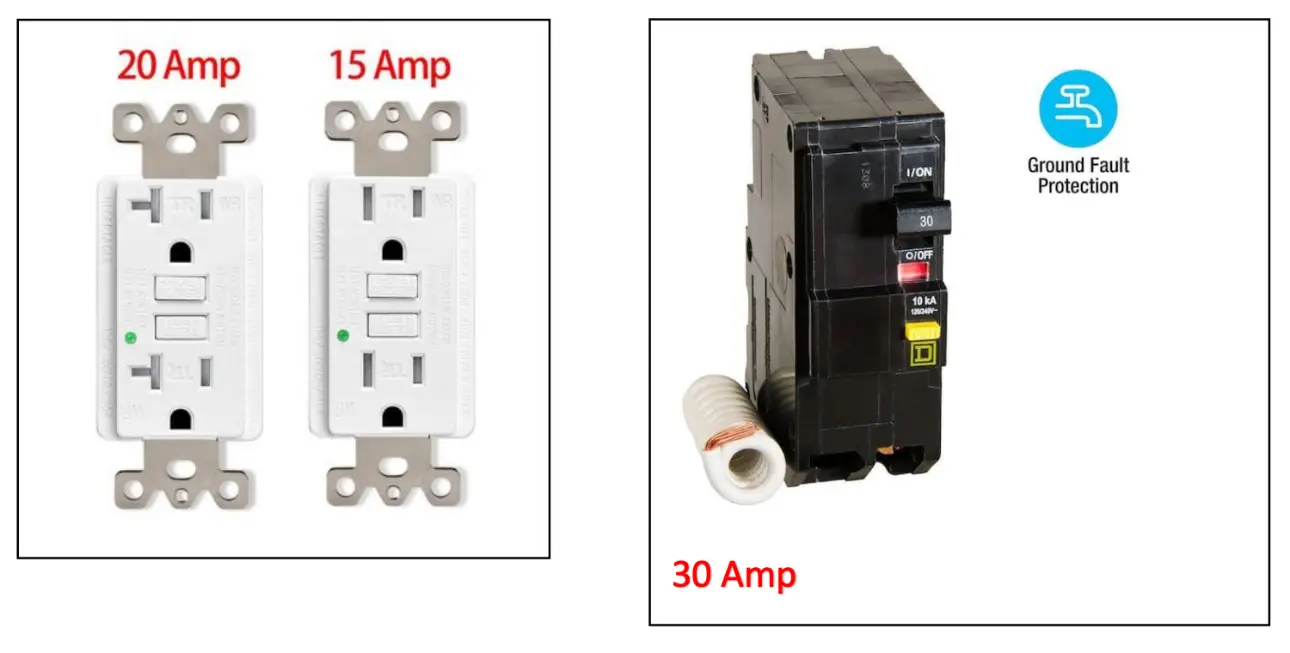
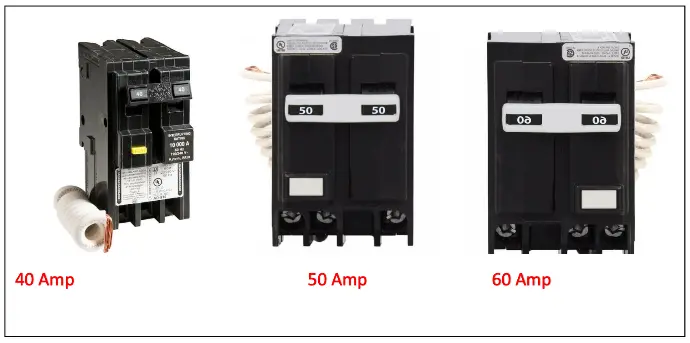
- 125/250V Receptacles:
Receptacles up to 60A must also be GFCI-protected if used for temporary power.
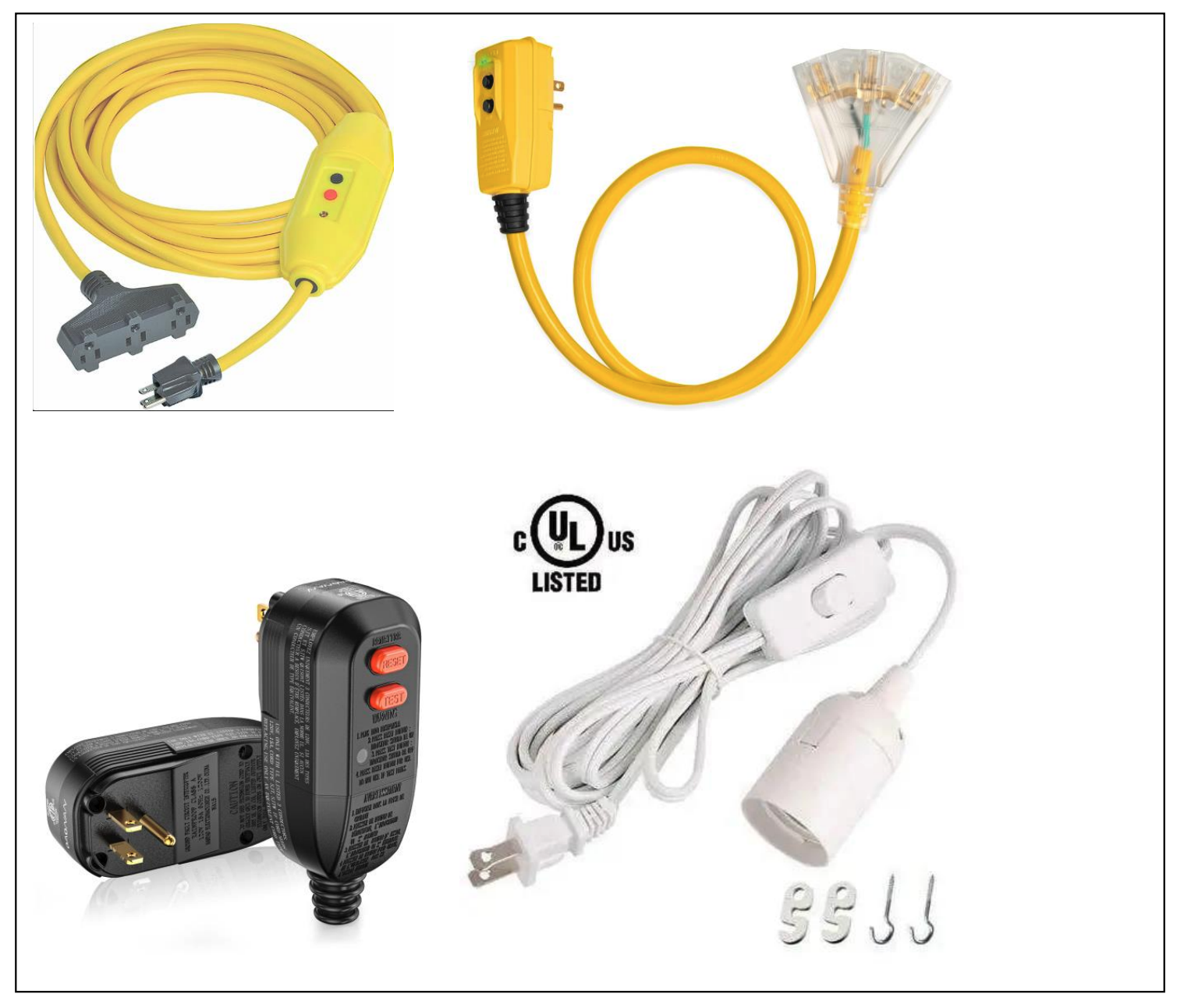
- Portable GFCIs: If you are plugging into a permanent outlet inside a building for temporary power, you must use a listed portable GFCI cord set.
Lighting and Receptacles (NEC 590.4(D) & (F))
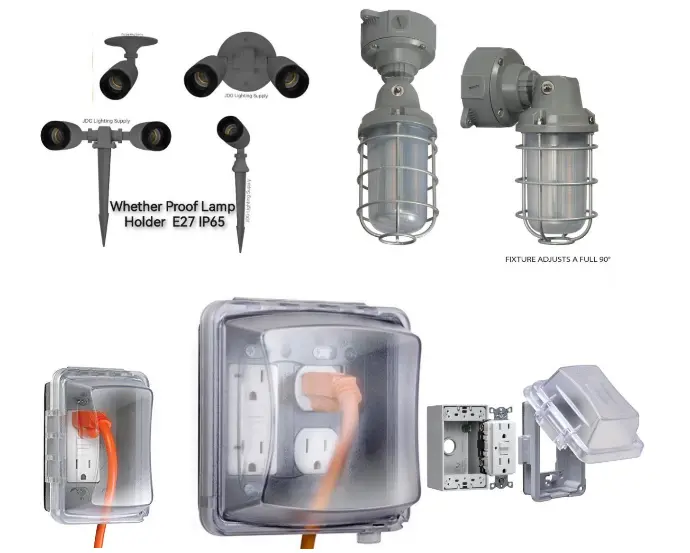
- Lamp Guarding: Every lamp used for general illumination must be protected from accidental contact or breakage by a fixture or a lamp guard.
- Weather resistant fixtures must be used.
- Split Circuits: Receptacles cannot be on the same circuit as the temporary lighting. If a worker trips a breaker with a saw, the room shouldn't go pitch black.
- Mounting: Receptacles and light fixtures must be securely mounted to a stable surface
(like a temporary power pole or a wall stud).